

A garden can be flourishing with plants and be eco-friendly at the same time! Don’t believe us? Check out these water wise garden hacks!

As the days get hotter, water consumption increases. Not only by you, but by your plants as well! Even daily watering can spike your household water usage during the summer.
So do your part in saving the environment by using these water-wise garden design hacks for summer 2025.
Water Wise Garden Design Hacks for Summer
1. Choose Drought-Hardy Plants

If your plants require more water than you’d like to use, try replacing them with drought-tolerant ones. For example, many tropical plants require higher amounts of moisture and substrate saturation to survive.
Instead of such plants, you could grow succulents, cacti, and shrubs that are known to survive in arid, dry, and waterless conditions.
With colorful leaves, attractive blooms, and unique physical form, they put many “known” plants to shame. Try options like agave, lavender, lantana, and portulaca as they add beauty and don’t need frequent watering.
However, you must ensure that temperature, soil, and sunlight requirements are met for their survival.
2. Group Categories of Similar Plants

This landscaping technique is very effective when it comes to reducing the overuse of water in the garden. For example, group all plants that have similar watering needs together and create new sections for the other plants that require different levels of irrigation.
In simple terms, divide your garden into separate sections, in which one could be for succulents or other drought-tolerant plants. The other sections could grow flowers, vegetables, or ornamental foliage plants that need different quantities of water from the others.
This will reduce overwatering of a certain plant due to the needs of a companion one.
3. Reuse Greywater

If you are keen on reusing natural resources, this idea is perfect for you. Say you wash your car often or clean your house windows regularly; the water used can be repurposed for irrigation. Granted that it is free from harsh chemicals and toxic pollutants.
In the off chance that you use a hose, try cleaning your things near your garden plants so that you can kill two birds with one stone. Greywater reuse should be limited to surfaces and outdoor tasks without detergents or soaps unless you have a greywater system installed.
Note: Do not use this hack on vegetables or fruits intended for consumption with this “greywater.”
4. Mulching to Conserve Moisture
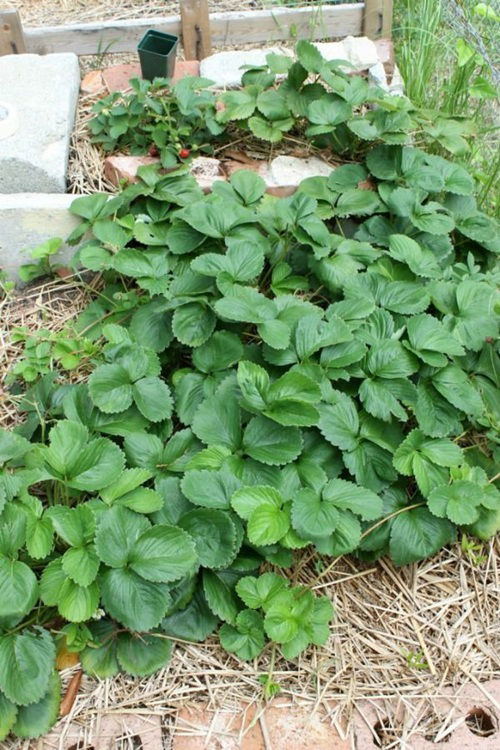
Did you know that adding a layer of mulch on the surface of your garden soil can significantly reduce the loss of water due to evaporation? The mulch acts as a layer of insulation, shielding the soil from direct sunlight.
This keeps the soil cooler and reduces evaporation. Certain mulch materials hold on to a higher amount of water, acting as a reserve if the soil dries out beneath. Also, mulching with organic materials will gradually increase the nutrient content of the soil as well.
Use bark, shredded leaves, or straw as mulch to keep the process natural and budget-friendly.
5. Shade from Direct Sun

If your plants have the ability to grow in indirect, partial, or low light conditions, why expose them to full sun? The direct sun rays will warm up the soil and lead to excess loss of water, which in turn means more watering.
To combat this, you can erect shade structures like tents, pergolas, gazebos, and arbors. They not only add aesthetic value to your garden but also provide shade, which is good for many foliage plants. You must also pre-plan and carefully plant your flowers to ensure that the shade structure won’t affect them.
Even temporary setups like umbrellas, old sheets, or bamboo screens can provide adequate cover as well.
6. Deep But Infrequent Watering Sessions

Instead of shallow watering your plants every few days, deeply saturate the soil once and wait till it dries out. Not only will you reduce the frequent need for irrigation, but deep watering also allows the roots to develop and function more efficiently.
However, this method is not applicable for all kinds of plants, as some need constant soil moisture. Allowing the substrate to completely dry out will put unnecessary stress on these plants. Check plant tags or do a quick online search to know what works best for each plant.
7. Go with Permeable Pathways
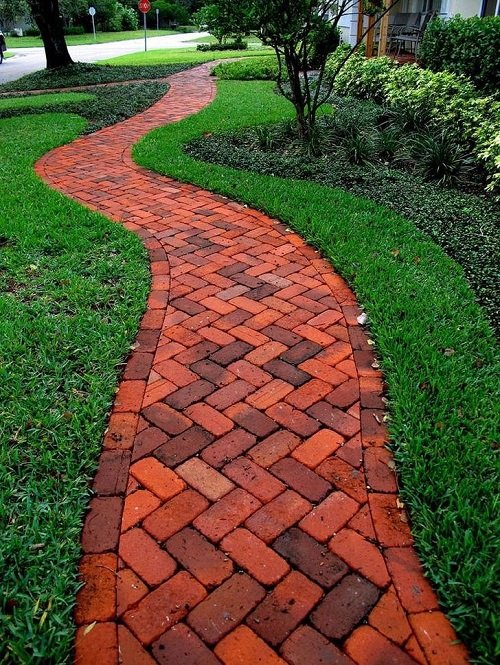
Do not allow water to run off from the surface of your pathways. You can use permeable materials to allow it to seep in. This will naturally replenish the water table and also keep the soil saturated for a longer period of time.
Not only will it reduce the need for constant watering, but it also curbs soil erosion by free-running water to a great extent. Gravel, bricks with gaps, and porous concrete are popular choices for DIY-friendly pathways.
8. Use Tech to Your Advantage

Why rely on outdated methods or techniques when you can get an accurate reading of everything related to watering? Use hygrometers to measure the humidity levels, or dip a tensiometer to measure soil moisture.
Keep an eye on the weather forecast to allow natural rainfall to replace manual irrigation. Additionally, if the budget allows, you can install automatic timed sprinklers or app-controlled devices for watering.
9. Try a Drip Irrigation System

Did you know that a more eco-friendly and effective method of watering is to directly saturate the soil around the roots of your plants through drip irrigation. Since the water is dispensed directly near the root system, it is quickly and efficiently absorbed with minimal wastage.
Although setting up this system is time-consuming and expensive, it is worth it in the long run. It is especially effective for those plants that are easily affected by overwatering. We have some budget DIY drip irrigation system ideas that can save your money!
10. Harvesting Rainwater

Rainwater harvesting is an age-old practice and is still as effective! In this, large tanks or barrels are used to collect the natural rainwater. This clear, almost drinkable water is either slightly filtered or used directly to irrigate your garden.
You do not need a fancy setup for this hack. Just place a few buckets on your rooftop when the clouds get dark and heavy showers are expected. Once the rain halts, the collected water is fit for use!
You can also connect downspouts to barrels using simple diverters for hands-free collection.
With just a few smart changes, your garden can keep growing while cutting down on water use. Try these hacks and make your space both eco-conscious and low-maintenance.