

Not all plants respond well to it, and that is why we’re here with a list of plants you should absolutely avoid pinching!
Pinching is a common gardening trick to encourage bushier growth, but it’s not always the right move. In fact, some plants can suffer setbacks if you remove their growing tips. Here are the plants you should absolutely avoid pinching to keep them healthy and thriving.
Plants You Should Absolutely Avoid Pinching
1. Aloe Vera

Botanical Name: Aloe barbadensis miller
This healing powerhouse grows from a central rosette, and its thick, fleshy leaves sprout directly from the crown. If you pinch or remove the growing tips, you risk damaging the entire growth point, which can cause the plant to stop producing new leaves altogether.
Aloe vera plant doesn’t branch or send out side shoots unless under stress, and even then, it may respond by producing pups instead of new top growth. So when you pinch, it interferes with this natural rhythm and may even invite rot if the open wound collects moisture.
Pinching can also interrupt its medicinal leaf production, making it less useful for everyday cuts or burns.
Pro Tip: Let damaged or dead leaves wither naturally and remove them from the base with a clean knife or shears.
2. Foxglove

Botanical Name: Digitalis purpurea
Don’t pinch your Foxglove plant even if you are tempted to shape it better. These plants are classic single-stemmed bloomers, and all their flower energy goes into one main spire. If you pinch this plant, it removes that central spike, and unfortunately, most foxgloves won’t branch out from the base to give you a second chance.
This means you will sacrifice the plant’s bloom for the season, which will leave you with foliage and no floral show. Foxglove is also biennial in many cases, so cutting off its single bloom could affect its entire life cycle.
In some cases, pinching can also interrupt seed formation, which is important if you’re letting the plant self-seed for next year.
Pro Tip: Focus on removing the spent flower spike after blooming to encourage self-seeding or stronger basal growth for next season.
3. Monopodial Orchids

Botanical Name: Phalaenopsis spp.
Monopodial types like Phalaenopsis grow vertically from a single stem, and that central tip is the plant’s only upward growth point; pinching it off halts all new leaf and flower production from the top.
This irreversible damage also reduces your plant’s ability to support flower spikes in the future. It may also cause stress-related leaf drop and fungal issues, especially if moisture enters the wound.
Support vertical growth by keeping humidity around 50–60% and avoid cutting anything green, active, and alive.
4. Hosta

Botanical Name: Hosta spp.
Hostas may look like they could benefit from shaping, but pinching them is never a good idea. These leafy perennials also grow from a central crown, and each leaf emerges directly from that crown.
Pinching or removing new shoots can injure the crown, which leads to stunted growth or even rot.
Also, Hostas don’t branch or regenerate leaves from side shoots like some shrubs do, so once you pinch out a leaf, it is gone for the season.
Pinching can also reduce the plant’s ability to shade its own soil, which increases water evaporation and weed growth.
Pro Tip: You can remove damaged or yellowing leaves by cutting them at the base with sterile shears. Never tug or pinch off new growth from the center. You should divide them, though!
5. Sunflower

Botanical Name: Helianthus annuus
Sure, you can pinch sunflowers when they are very young if you are growing branching types, but for classic tall varieties, it is a no-go. Single-stemmed sunflowers don’t branch naturally, and the entire bloom forms at the tip of one main stem. Pinching that growing point means you are eliminating your only flower.
Not only does pinching prevent blooming, but it also confuses the plant’s hormonal flow and can result in no flowering at all. This is very true for ornamental or hybrid sunflower varieties bred for one large bloom. You’ll also reduce pollinator visits since bees and butterflies often rely on that single flower.
Pro Tip: Stake the plant early to support its upright growth and avoid damage to the main stem.
6. Juniper

Botanical Name: Juniperus spp.
Junipers may appear lush and trim-worthy, but resist the urge to pinch their soft tips. These woody conifers do not regenerate new growth easily from old wood. Your pinching practice can leave bare patches that never refill, which will ruin the plant’s symmetry.
Unlike many soft-stemmed plants, junipers don’t back-bud readily. This means that any excessive tip pruning or pinching results in uneven growth and a sparse look that takes years to recover.
It can also make the plant more vulnerable to sunburn in open patches, especially in hot summers.
Pro Tip: Use sharp shears to lightly shape junipers by trimming just the newest growth. Avoid cutting into older and woody stems.
7. Agave
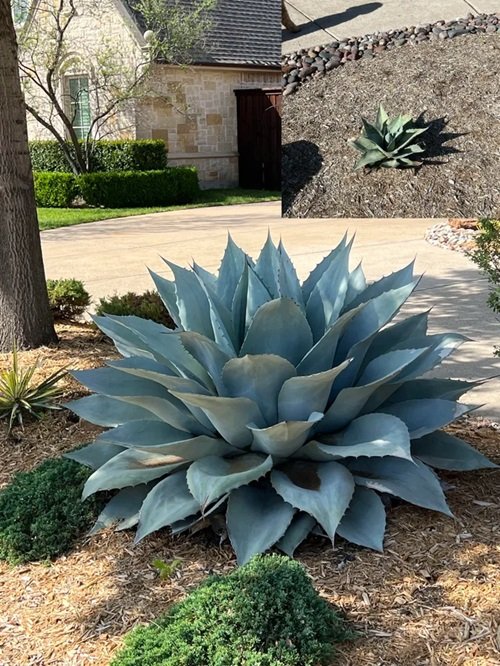
Botanical Name: Agave spp.
These are structural, rosette-forming succulents, and their entire form depends on the integrity of their central crown. Pinching or cutting the emerging central leaves can halt growth completely and potentially kill the plant.
These plants grow slowly and rely heavily on water storage in their thick leaves. Damaging any part, especially the center, can also make them vulnerable to pests and fungal rot.
Most agaves only bloom once before dying (monocarpic), so maintaining healthy growth is key for a long lifespan.
Pro Tip: Remove only the outermost leaves when they are completely dry or broken. Wear gloves, as some species have sharp spines.
8. Delphinium

Botanical Name: Delphinium elatum
Delphiniums are towering beauties known for their spiked flower displays, but don’t like pinching. These plants grow on a single tall stem with very limited side branching, especially in their early growth. If you pinch the top, you risk removing the terminal bud, which results in zero blooming or severely reduced floral display.
These flowers don’t compensate well when you cut the main stem, and they often become leggy if you do. It can also make them more vulnerable to stem rot in humid or rainy climates.
They are also top-heavy and can collapse without their central support if weakened. But here’s a secret–deadhead blooms once they fade to encourage a second flush lower on the stem.
9. Hollyhock

Botanical Name: Alcea rosea
This one grows straight, with all its floral power focused on that central stem. As a classic biennial, Hollyhock spends its first year forming a basal rosette and blooms only in its second year, on a single flower stalk. If you pinch it early on, it may cause the plant to delay blooming or, worse, never bloom at all.
Since hollyhocks don’t branch easily from the base, and removing the tip will mean losing your one opportunity for a floral show. The wounds from pinching can also make them more susceptible to rust, which is a common disease in hollyhocks.
Also, wounds from pinching in humid weather can quickly turn into rust or fungal infections.
Pro Tip: Let them grow naturally, and space them well to ensure good airflow. Use mulch to prevent soil splash during watering.
10. Cypress

Botanical Name: Cupressus spp.
Cypress trees are elegant evergreens with precise vertical growth that shouldn’t be tampered with casually. These conifers do not regenerate from old wood, and when you pinch their soft tips, it can disrupt the plant’s symmetry. Worse, it may create bald patches that never refill, which ruins their ornamental appeal in your landscapes.
The internal wood of cypress doesn’t contain active buds, so once the growing tip is gone, that stem is finished. It also stresses the tree unnecessarily during hot or dry periods. Over-pruning also stresses the tree and increases its watering and fertilizing needs.
Pro Tip: If shaping is necessary, lightly shear just the newest growth in early spring. Avoid touching brown or woody areas with your shears.
11. Lavender

Botanical Name: Lavandula spp.
Lavender may seem like it would love frequent pinching like basil or mint, but that’s not the case. Most lavender types, especially the woody ones like English lavender, do not respond well to pinching at the soft tips.
Pinching or cutting too close to the woody base can stop new growth and lead to leggy, bare plants. Over time, repeated pinching in the wrong spot can also reduce flowering, since lavender blooms mostly on new, soft growth that emerges from semi-hard stems.
It’s best to avoid frequent tip pinching and instead prune carefully after flowering, staying above the woody part. Just do these things before winter!
Pro Tip: Use clean shears to trim lavender back by about one-third after it blooms, but never cut into old wood. Shape gently to keep the plant compact and flowering well.
Note: Most rosette-forming succulents like Echeveria and Sempervivum don’t need pinching. They grow from a central point called the apical meristem, and damage to that can stop new leaf growth, distort the plant’s shape, and expose the center to moisture loss or infection.
While pinching can help some plants grow fuller and healthier, it’s not a one-size-fits-all method. Knowing which plants to leave alone, especially those with central growth points, can save you from setbacks. Remember, when in doubt, research before you pinch!